
Electric balers from Mil-tek
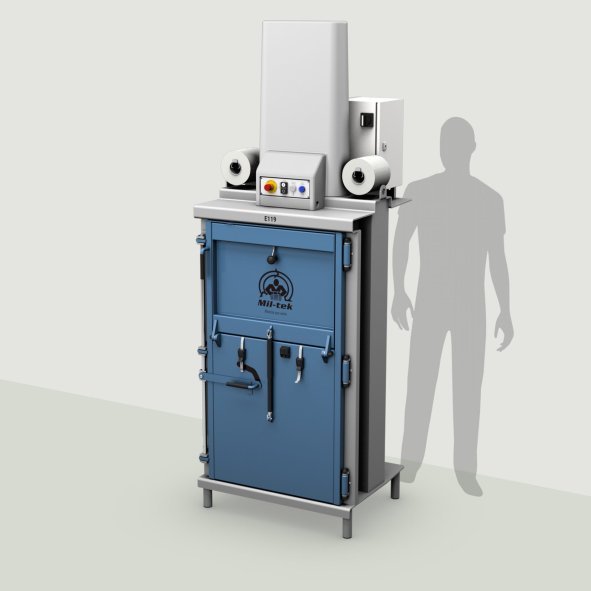
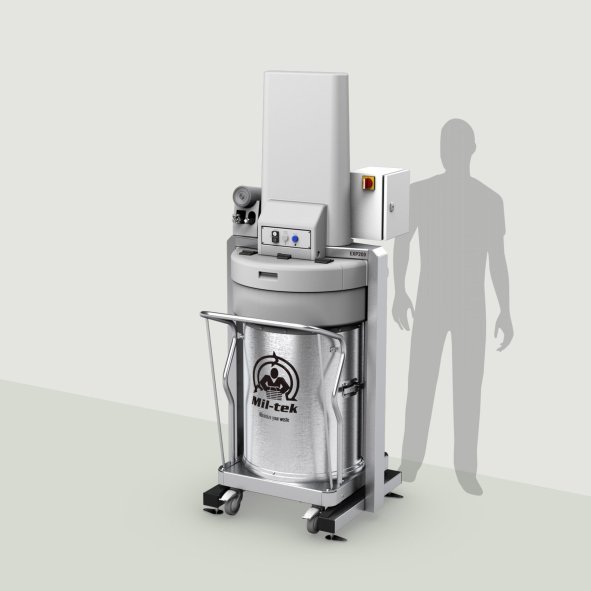
Mil-tek’s electric balers provide a sustainable and efficient way to compress recyclable materials and waste. Featuring an oil-free system, they remove the risk of hydraulic leaks while ensuring quiet, low-noise performance – making them well suited for indoor use and environments where noise levels matter. These machines are energy-efficient, simple to service, and adaptable to many industries, including retail, logistics, and production.
Discover our selection of electric balers:
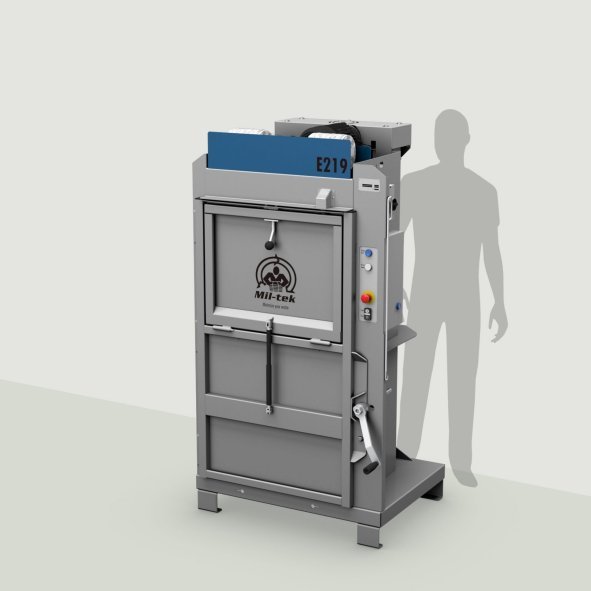
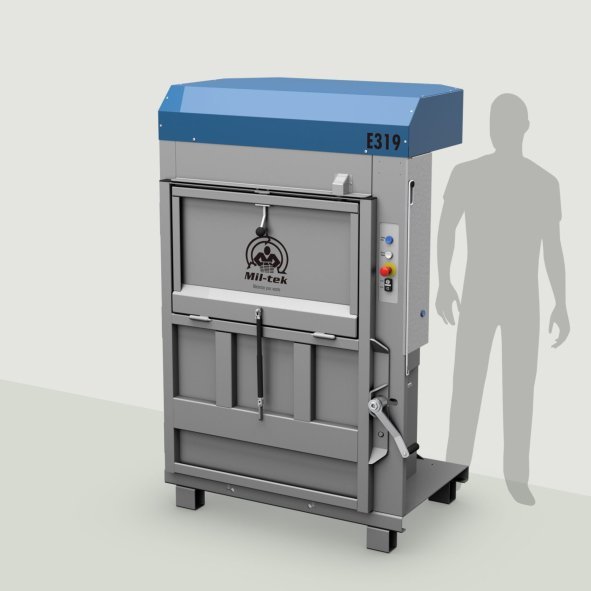

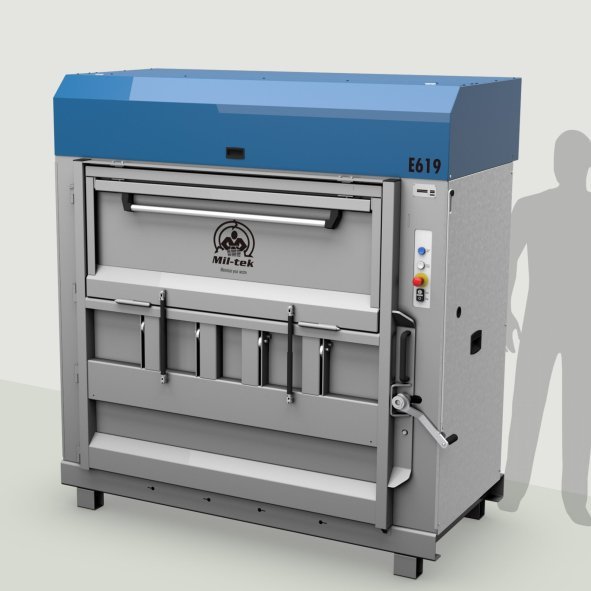
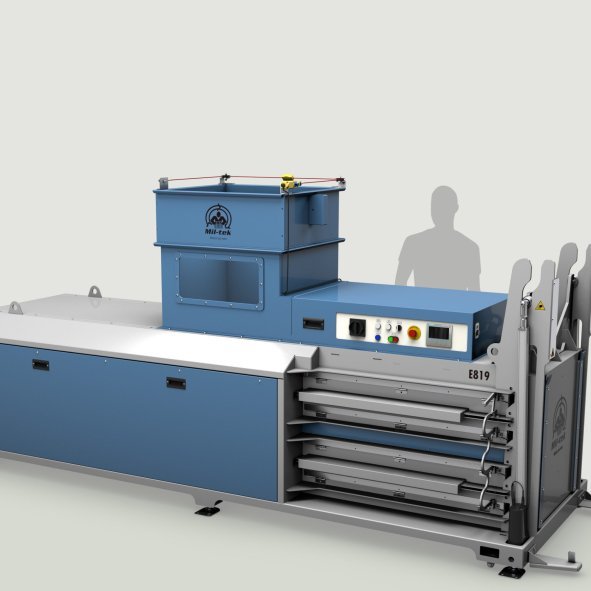
How Electric Balers operate
Electric balers compress waste using a motor- or servo-powered mechanism that delivers steady and controlled pressure, producing compact and consistent bales. Because they operate without hydraulic oil, there is no risk of fluid leakage, which also means less servicing and lower maintenance requirements.
The oil-free setup ensures a cleaner process, making these machines particularly suitable for environments where cleanliness is important.
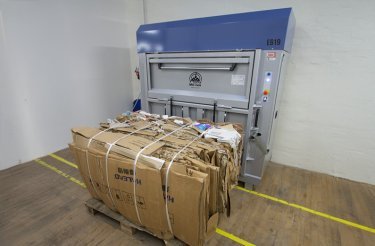
Bale dimensions depend on the specific model, but each machine is designed to optimise space utilisation and simplify handling during storage and transport. This makes electric balers a dependable and environmentally responsible choice for processing cardboard, plastic, and other recyclable materials.
Main advantages of electric balers
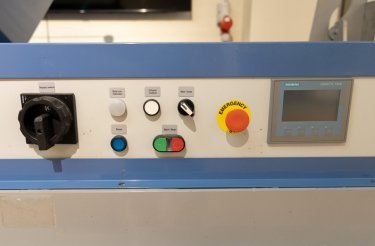
Electric balers run at noise levels under 70 dB, making them well suited for workplaces where low sound is important, such as production areas. Their space-saving design makes it easy to install them even where floor space is limited, and setup is quick, reducing disruption to daily operations.
With an oil-free system and a simplified construction, servicing is minimal and more affordable compared to traditional solutions.
Altogether, the quiet performance, compact size, and reduced maintenance needs make electric balers a dependable and efficient option for companies aiming to streamline waste management without interrupting workflow.
➡︎ Get in touch
Industries suited for electric balers
Electric balers are widely used in sectors where low noise, cleanliness, and operational efficiency are key requirements. In food and beverage production, they support hygienic handling of packaging waste, while in pharmaceutical settings their oil-free technology helps reduce contamination risks.
Environments such as laboratories and controlled areas benefit from their quiet and clean operation, which aligns with strict regulatory standards. At the same time, offices and commercial spaces can use electric balers to manage paper, cardboard, and recyclables in a discreet and unobtrusive way.
This flexibility makes electric balers a practical solution across a broad range of professional environments where both performance and cleanliness matter.
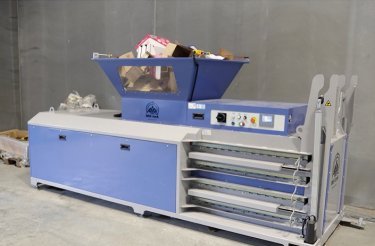
Comparing power types – electric, hydraulic and pneumatic balers
When choosing a baler, it’s important to understand the differences between the three main power types: electric, hydraulic, and pneumatic systems.
Electric balers are known for their quiet performance and oil-free operation, making them a clean and suitable option for environments with higher hygiene or noise requirements.
Hydraulic balers are typically used when maximum compaction force is needed, as they can handle larger volumes and more demanding waste streams.
Pneumatic balers operate using compressed air and are often chosen for lighter materials, where flexibility and simplicity are priorities.
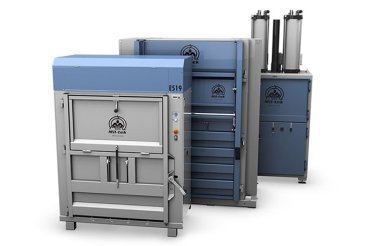
What materials can electric balers handle?
Mil-tek’s electric balers are well suited for compressing materials such as cardboard, plastic, and other recyclable waste streams.
Find out more in our guides to cardboard balers and plastic balers.
Frequently asked questions
What power supply is required?
Most electric balers are designed for a standard three-phase connection, while smaller units can often operate on single-phase power.
How noisy are electric balers?
They are built for quiet operation and typically run below 70 dB, making them well suited for areas where noise levels need to be kept low.
Do electric balers come with oil-free certification?
Yes, many models are certified as oil-free, ensuring a clean design that reduces the risk of contamination.
How long does a compaction cycle take?
Cycle times vary depending on the machine and material, but usually fall between around 30 seconds and a few minutes.
Need more information?
Electric balers provide a quiet, oil-free and efficient way to manage waste, especially in environments where cleanliness matters.
Schedule a free waste audit today and discover the right solution for your business.