
Hydraulic balers from Mil-tek
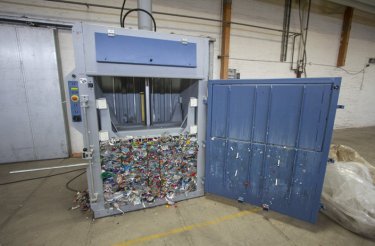
Mil-tek’s hydraulic balers are built to handle demanding waste streams by applying strong, consistent pressure to form dense, compact bales. Their high-performance design makes them particularly suitable for operations generating large volumes of recyclable materials.
By significantly reducing waste volume, they help free up storage space, streamline logistics, and lower transport costs, while supporting more efficient and sustainable waste handling in industrial environments.
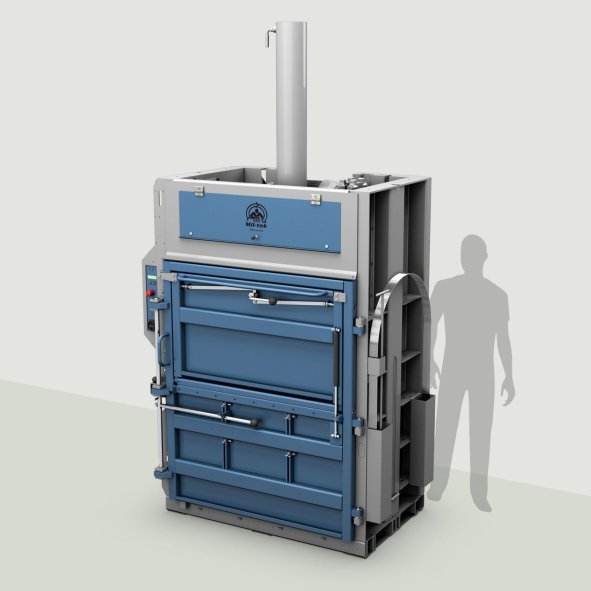
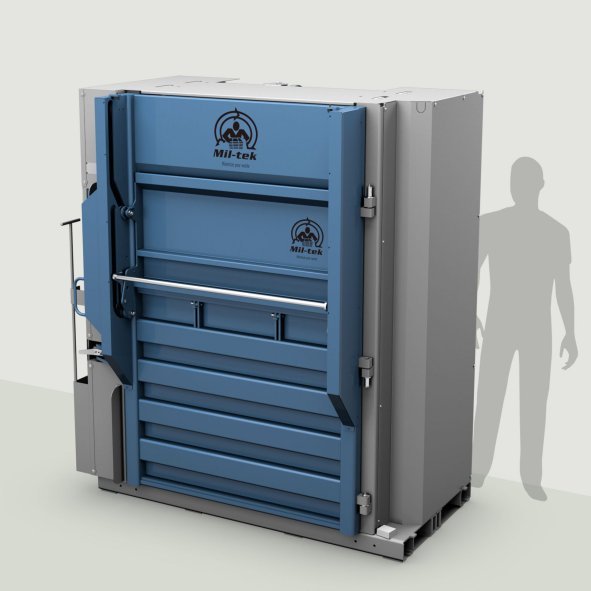
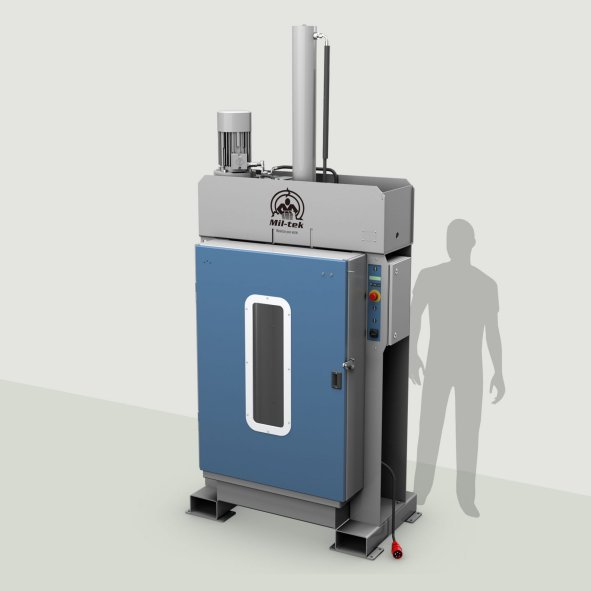
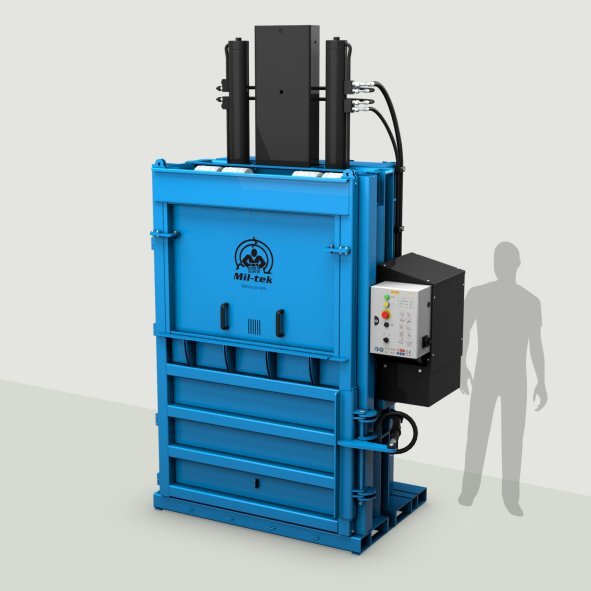
Explore our hydraulic baler range:
How hydraulic balers work
Hydraulic balers use a system driven by pressurised oil to generate strong, controlled force through a moving press plate. This pressure compacts waste materials into dense, evenly shaped bales.
Depending on the model, bale weights can vary from several hundred kilos to well over a tonne, helping to significantly reduce the volume of waste. This leads to better use of storage space and lower transport costs.
The operation is straightforward: materials are loaded into the chamber, the press cycle is activated, and once compacted, the bale is secured with strapping or ties. The finished bale is then ready for easy handling, stacking, or transport.
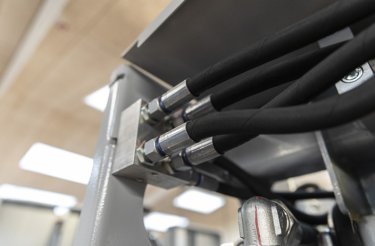
Main advantages of hydraulic balers
Hydraulic balers are capable of producing high-density, mill-sized bales that align with industry requirements, helping businesses achieve better returns from recyclers. Built for durability, they are designed to handle continuous use in environments with large waste volumes.
Their solid construction ensures dependable performance over time, reducing downtime and supporting efficient, cost-effective waste management in both industrial and commercial operations.
➡︎ Get in touch
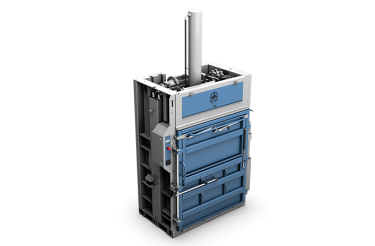
Industries suited for hydraulic balers
Hydraulic balers are widely used in industries that generate large volumes of waste and recyclables. In logistics and warehouse operations, they help control packaging materials efficiently, while manufacturing facilities rely on them to manage production waste and leftover materials.
Retail environments, especially in back-of-store areas, use hydraulic balers to compress bulky cardboard and plastics, freeing up floor space. At the same time, recycling facilities depend on their strong compaction capabilities to process mixed materials into dense bales that are easier to store, transport, and resell.
Their versatility and high performance make hydraulic balers a key solution across sectors focused on efficient and value-driven waste management.
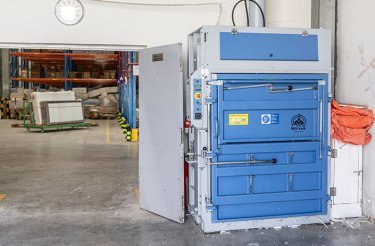
Comparing baler technologies – hydraulic, electric and pneumatic
When selecting a baler, the three primary technologies to consider are hydraulic, electric, and pneumatic systems.
Hydraulic balers generate powerful compaction through oil-driven mechanisms, making them well suited for handling large volumes and dense or bulky materials.
Electric balers operate using motor-based systems, providing a quieter and more energy-efficient solution for day-to-day waste handling.
Pneumatic balers are powered by compressed air and are typically chosen for lighter applications, where ease of use and flexibility are important.
The right choice depends on the type of waste, required output, and the overall demands of the working environment.
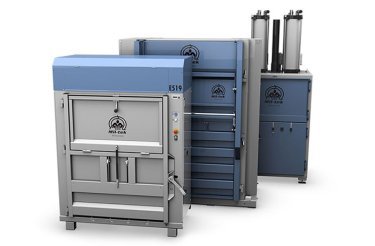
What materials can hydraulic balers process?
Mil-tek’s hydraulic balers are designed to handle demanding waste types, including bulky cardboard, plastic film, PET bottles, and mixed recyclables. Thanks to their strong compaction power, they create dense bales that help minimise storage requirements and reduce transport expenses.
For further insights into specific applications, explore our guides on cardboard balers and plastic balers.
Frequently asked questions
How do I determine the right pressing force?
The required tonnage depends on both the material type and the volume you handle. Heavier or more compactable waste typically calls for greater force to achieve dense, stable bales.
What kind of power connection is needed?
Most hydraulic balers are designed for three-phase electricity, although certain smaller units can run on a single-phase supply.
What is the typical cycle duration?
Press cycles vary by machine and material, but generally take anywhere from around half a minute to several minutes.
Are mixed plastics suitable for baling?
Yes, hydraulic balers can process mixed plastic waste. However, sorting materials beforehand can improve bale consistency and increase recycling value.
Interested in learning more?
Hydraulic balers are built to deliver strong compaction performance, long-term durability, and efficient handling of large waste volumes.
Get in touch with our team to receive a tailored quote or book a waste audit, and we’ll help you identify the right solution for your needs.