
Polystyrene Recycling Compactor
Polystyrene (EPS) fills skips fast because it’s mostly air. Mil-tek polystyrene compactors reduce EPS volume up to 40:1, turning bulky foam into dense, stackable blocks that are easier to store, transport, and recycle.
Which polystyrene compactor fits your site?
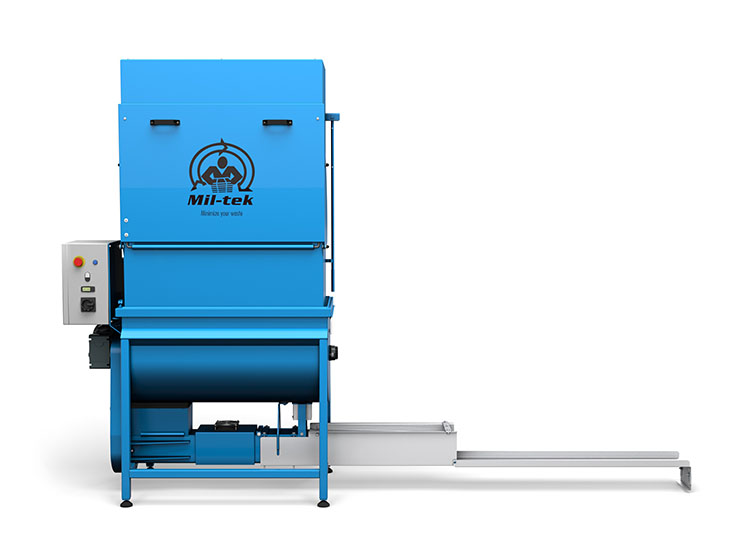
EPS1000
- Compaction ratio: 40:1
- Throughput: up to 15 kg/hr
- For small to moderate EPS volumes
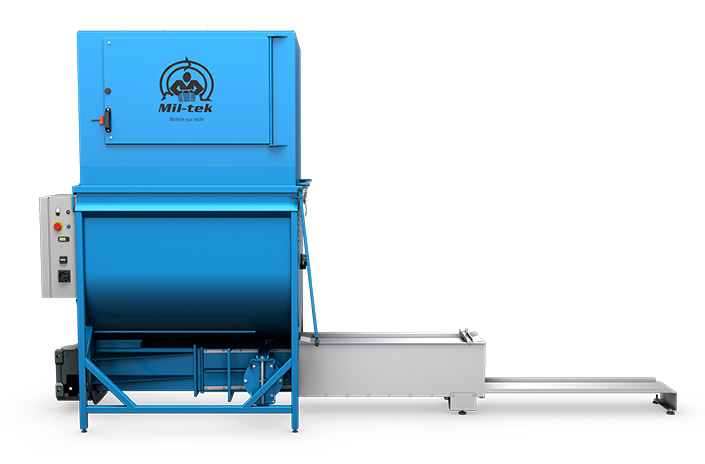
Polystyrene Compactor EPS1000
The EPS1000 is a efficient polystyrene compactor for small to moderate volumes of EPS waste since it can reduce polystyrene waste by a ratio of 40:1 and has a capacity of up to 15 kg per hour.
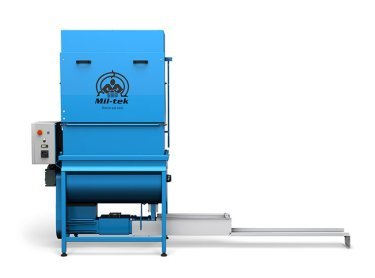
Polystyrene Compactor EPS2000
The EPS2000 is the best option for big quantities of polystyrene waste. It generates blocks that are 40:1 compressed, resulting in 300 kg per m3, and it can proces up to 70 kg per hour.
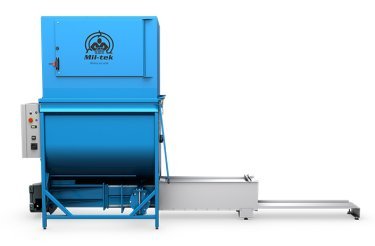
Polystyrene (EPS) compactors
Expanded polystyrene (EPS) takes up a significant amount of space due to its low density, quickly filling containers and driving up disposal costs. By compacting EPS, businesses can greatly reduce waste volume, lowering both handling expenses and environmental impact.
An EPS compactor is designed to automate this process. It breaks down the material and uses heat and pressure to transform it into dense blocks or briquettes. These compacted units are far easier to store and transport, and they can be sold for recycling into new plastic products.
By converting bulky EPS waste into reusable material, a polystyrene compactor turns a costly waste stream into a potential source of revenue.
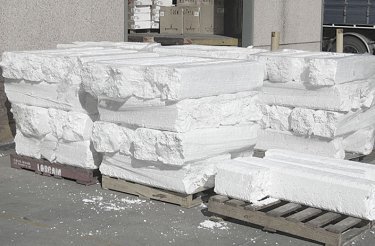
Polystyrene, EPS, Airpop – understanding the terminology
Polystyrene is known by several different names, including Expanded Polystyrene (EPS) and Airpop. While the terms vary, they all refer to the same lightweight plastic material, most commonly recognised as EPS6. This type of packaging is widely used to protect products such as food, seafood, electronics, appliances, and furniture during storage and transport.
For businesses that handle large quantities of this material, proper waste management is essential. Using a polystyrene compactor allows you to efficiently process and reduce the volume of EPS waste, making disposal and recycling far more manageable.
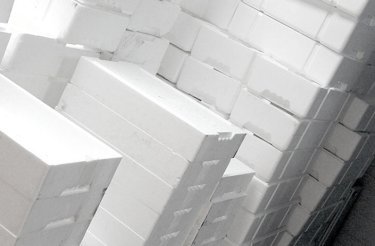
Recycling expanded polystyrene (EPS)
Because EPS is widely used and often discarded after a single use, it can quickly become an environmental concern if not handled properly. When sent to landfill, this lightweight material can take up excessive space and may contribute to pollution over time.
Recycling EPS6 helps reduce this impact by diverting waste away from landfill and transforming it into a reusable raw material with commercial value. In fact, polystyrene is fully recyclable when processed correctly.
Whether your business generates small or large volumes of EPS, using a dedicated recycling solution makes it easy to manage waste responsibly. This not only supports more sustainable operations but also helps reduce environmental impact.
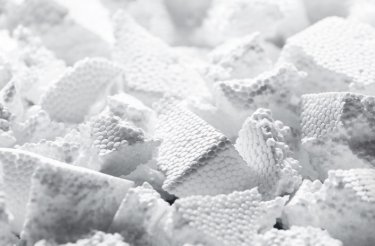
Installing a polystyrene compactor
A Mil-tek EPS compactor is installed by a qualified technician, who will also assess your workspace to determine the most efficient placement for smooth daily operation. This ensures the machine integrates seamlessly into your workflow from the start.
Once in use, the compactor securely processes and contains the material, helping to minimise waste volume and prevent loose debris or environmental contamination.
The finished EPS blocks or briquettes are easy to handle, stack, and store. They can be palletised for convenient collection and later sold or transported for further recycling.
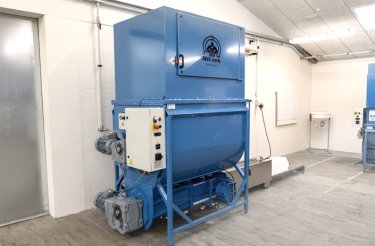
More than just polystyrene compaction
Polystyrene is only one of many materials that can be processed. Mil-tek also provides a wide selection of balers for cardboard and balers for plastic, enabling businesses to handle different types of waste more effectively.
By combining solutions across multiple waste streams, companies can improve efficiency and significantly lower overall waste management costs.
Got a question?
Reach out today to discover how Mil-tek can support your business in improving waste handling while saving time, space, and costs.